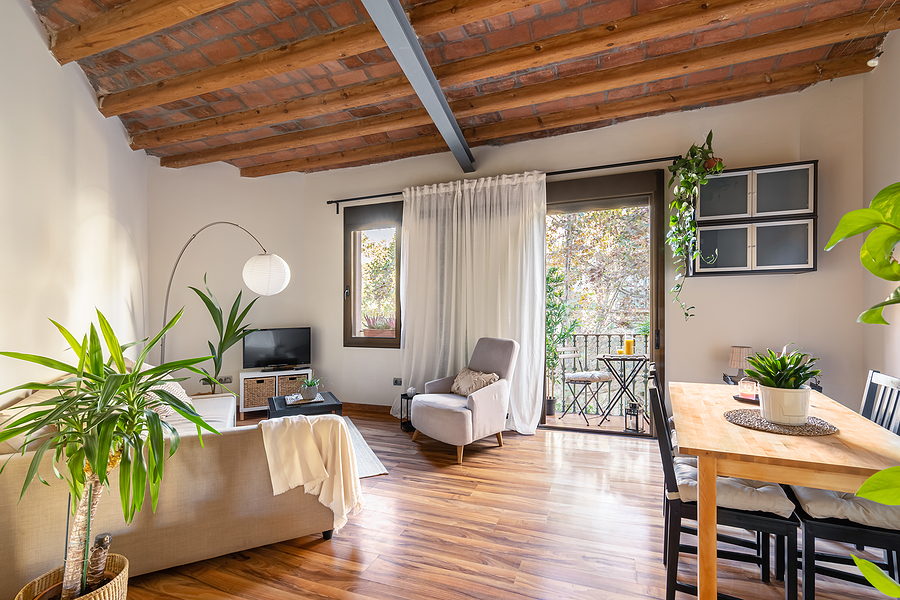
Open-concept living isn’t just about knocking down a wall between your kitchen and family room. It’s about how light moves through your home, how fresh air circulates, and how easily you can flow from the sofa to the patio without breaking stride. That’s why windows—and the doors you pair with them—sit at the center of a successful open plan. A thoughtful Window Remodeling Service for Open-Concept Homes can transform dark corners into bright gathering spots and turn a basic back patio into your favorite “room.”
If you’re planning an open-concept renovation or refreshing a space that already feels airy but still looks closed off, windows are your most powerful design lever. Done right, they frame views, pull in daylight, boost ventilation, and erase the boundary between indoors and out. Done hastily, they create hot glare, stubborn drafts, and awkward traffic patterns. Here’s how to approach Open-Concept Home Window Remodeling with purpose.
Start With the Way You Live
Every successful window plan begins with lifestyle. Where do you gather on weekends? Which view do you love most? Do you cook with the back doors open? Walk the space and imagine the moments you want to encourage: morning coffee with soft light, a cross-breeze over the kitchen island, a sightline from the great room to the pool. This vision determines where glass belongs, which windows should open, and how large your main opening to the backyard needs to be.
In an open-concept footprint, think in zones connected by sightlines. A large picture window can anchor the living area, while operable casements or awnings on the flanks bring in fresh air. If you entertain often, a wide multi-slide or folding glass wall near the dining area can create instant indoor–outdoor flow so guests move naturally between spaces.
Choose Systems That Match the Job
Not all glass is the same, and not every opening needs the same type of unit. Picture windows excel at framing views and holding strong energy numbers. Casement and awning windows seal tightly when closed and catch breezes when open. Sliding windows can be helpful at pass-throughs over a counter, and clerestory windows set high on a wall are great for stacking warm air and venting it out.
For that big “wow” opening to the patio, look at multi-slide or folding door systems. Multi-slides stack neatly to one side and maintain slim sightlines. Folding (accordion) doors create a true wall opening with panels that tuck away, delivering the most dramatic connection to the outdoors. If a full door system isn’t in the budget, a large slider paired with adjacent fixed glass can mimic the feel without the same price tag.
Kitchen pass-throughs deserve special attention. A countertop-height awning or bi-fold window can turn a sink wall into a serving bar that keeps the party connected. Add a durable sill and a weather-protected overhang, and you’ll use it all season.
Performance First: Comfort, Durability, and Protection
Open-concept homes demand comfort. Big spans of glass should feel cool to sit beside in July and cozy in January. That means selecting the right glass package. Laminated glass with a low-E coating helps control heat and glare while cutting outside noise. In hot, sunny climates, look for a solar heat gain profile that calms the afternoon sun on west and south exposures. In colder regions, prioritize U-factor to reduce heat loss.
If you live in a coastal or storm-prone area, impact-rated laminated glass adds another layer of security and peace of mind. Hardware and fasteners should be corrosion-resistant, especially within a few miles of saltwater. For large patio systems, look at the water and structural ratings, not just the aesthetics. A beautiful wall of glass isn’t helpful if it leaks during the first heavy weather.
Make Transitions Seamless—Literally
The magic of indoor–outdoor living happens at the threshold. A flush or low-profile sill minimizes trip hazards and blends floor materials so the eye reads one continuous surface. For multi-slide and folding systems, consider concealed track drains and sloped pans that manage water without bulky steps. Indoors, continue your flooring right to the track when possible; outdoors, align pavers or decking to keep the plane smooth.
Sightlines matter, too. Consistent head heights across adjacent windows and doors make the wall feel tailored, not pieced together. Keep mullions and frame colors consistent so the assembly reads as one elegant composition. Black and deep bronze frames can add modern definition; warm whites and sands soften the look in coastal cottages and traditional homes.
Plan for Screens, Shades, and Privacy From the Start
When the glass wall is open, bugs shouldn’t be your guests. Retractable screens disappear when not in use and pull across large openings in seconds, perfect for evening breezes. For sun control, integrate shade pockets or specify surface-mounted shades sized to the opening. Layering a light-filtering fabric for the day and a room-darkening option for movies or early bedtimes gives you flexibility.
Privacy is easy to overlook in an open plan. If neighbors are close, patterned or acid-etched glass in select windows preserves light while softening views. Strategic plantings outside the window can create a natural privacy screen that looks intentional and beautiful.
Ventilation That Really Works
Good airflow is designed, not accidental. Place operable windows on opposing walls to encourage cross-ventilation. Use awnings high on the wall to release hot air while a large patio opening draws in cooler air at floor level—this “stack effect” keeps open rooms comfortable without relying solely on HVAC. Ceiling fans near major openings help, too, especially when the patio doors are cracked open.
Safety and Code Considerations
Open-concept remodels often reconfigure sleeping rooms, hallways, or stairs. Keep an eye on egress in bedrooms, where at least one window must meet clear opening requirements. Safety glass is required near floors, doors, and wet areas; your window pro will call these out. If you’re connecting to a pool area, check any local door alarm or self-closing hardware rules. Getting these details right avoids approval delays and keeps everyone safe.
Materials that Match Your Climate and Style
Aluminum delivers strong, slim profiles and handles large openings with ease—great for contemporary designs and coastal durability. Vinyl offers solid insulation and value, with thicker frames that suit traditional looks. Fiberglass sits in the middle with excellent stability and clean lines. Whichever frame you choose, step up to high-quality hardware—locks, rollers, and hinges do the daily heavy lifting and are worth the upgrade.
Finish durability matters outdoors. Coastal homes benefit from powder-coated finishes and stainless or coated hardware. If you’re within a few miles of salt air, ask specifically about marine-grade options. Inside, the coordinate frame finishes with cabinet pulls and lighting to make the whole space feel composed.
Phasing and Budget
You don’t have to do everything at once. Many homeowners start with the main opening to the backyard, the single change that has the biggest impact—and then phase in secondary windows over time. If structure is involved, plan for headers, posts, and point loads early. Sometimes the best route is to rough in the big opening and temporarily install a smaller slider or a protected opening until the premium door package is ready.
Lead times can vary with season and demand, particularly for custom sizes and multi-panel systems. Lock in your order early and coordinate schedules with your contractor so exterior finishes, flooring, and paint all connect cleanly to the new frames.
How a Professional Window Partner Elevates Your Open Plan
A seasoned team doesn’t just sell glass; they choreograph the whole experience. During design, they’ll map views, daylight paths, and traffic flow, then recommend the right mix of fixed and operable units. They’ll match glass and frame options to your climate, budget, and architecture. On site, they’ll get the flashing, anchorage, and threshold details right so your new openings perform as beautifully as they look. And when the season changes, they’ll be there to fine-tune hardware, adjust panels, and answer questions.
That’s the difference a dedicated window remodeling service for open-concept homes makes: the final space feels effortless because the planning behind it was meticulous.
Ready to Connect Your Indoor and Outdoor Spaces?
If you’re dreaming about bigger views, better airflow, and a living area that spills out onto the patio, we can help. Windows Solutions Group, LLC specializes in open-concept home window remodeling that balances design, performance, and long-term durability. From wide multi-slide doors and folding glass walls to picture windows, pass-throughs, and clerestories, we’ll tailor a plan that fits your home and how you live.
Let’s bring your open-concept vision to life. Schedule a friendly, no-pressure consult with Windows Solutions Group, LLC. We’ll walk you through options, materials, energy performance, and timelines, and deliver a flawless installation that truly connects your indoor and outdoor spaces.

